
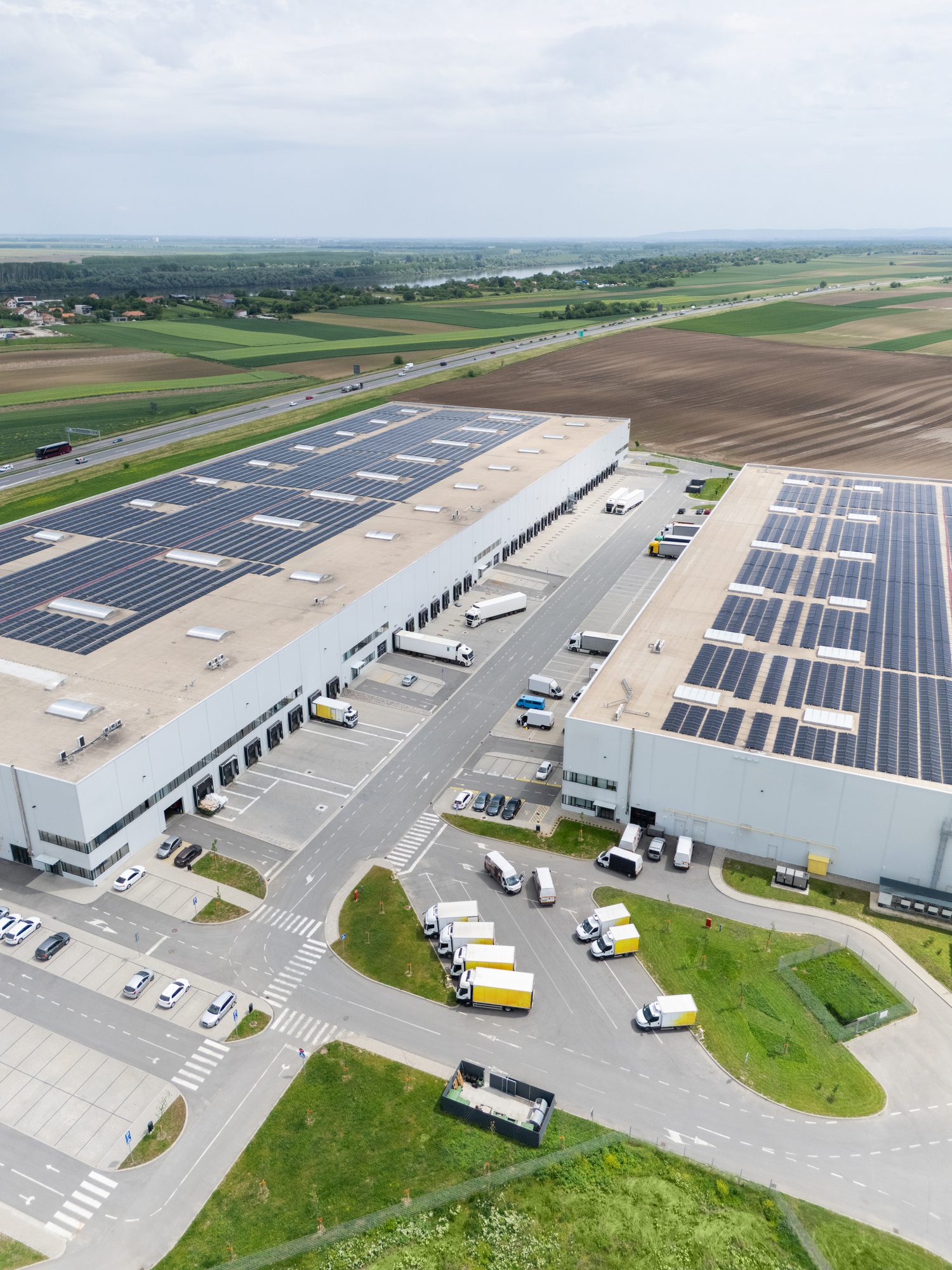
If your business runs a warehouse, distribution centre, or logistics facility in the UK, you’re probably already sitting on one of the most solar-friendly buildings in the country. Warehouses are among the best candidates for commercial solar panels because of their large, unshaded roof space and steady daytime electricity use. For most warehouse operators, the combination of falling equipment costs and rising electricity prices makes commercial solar energy one of the more straightforward capital investments available today.
Below, we’ll walk you through why warehouse solar panels make sense for so many operators, what they cost, the savings you can realistically expect, and the practical hurdles worth planning for before you sign a contract.
Why Are Warehouses So Well Suited to Solar Panels?
Two things separate a good solar site from a great one: roof geometry and energy usage patterns. Most warehouse roofs are large, single-plane metal structures with no chimneys, skylights, or awkward angles to design around. This means installers can run long, uninterrupted rows of panels, which reduces both design complexity and labour costs.
The second factor is timing. Warehouses typically draw power throughout the working day. That daytime demand lines up closely with when solar panels for warehouses generate electricity, meaning more of what you produce gets used on-site at full value rather than exported at a lower rate. Self-consumption is one of the most significant drivers of solar payback speed, and warehouses are structurally well-positioned to make the most of it.
What Kind of Savings Can Warehouse Solar Panels Deliver?
A well-designed commercial solar system generates approximately 850 kWh per kWp installed each year in the UK. At an electricity rate of £0.28/kWh, this translates to meaningful annual savings of £23,800 to £119,000, depending on the system size. These figures assume full self-consumption, which won’t apply evenly to every business. A facility running around the clock will typically use a higher share of its generated electricity than one that’s empty on weekends.
What to Consider Before Installing Commercial Solar Panels
Commercial solar power projects are generally straightforward, but a few practical issues are worth addressing early. These include:
- Roof Condition – Older roofs may need structural reinforcement before they can safely carry a solar array. A structural survey should happen before you commit to an installer.
- Grid Connection Timing – Systems above 50 kW require a G99 application to your local distribution network operator. In congested areas, this process can take several months, so start it as early as possible.
- Planning Permission – Most rooftop commercial solar falls under permitted development rights, though listed buildings and conservation areas are notable exceptions.
- Leasehold Consent – If you lease your warehouse, you’ll need written landlord approval before installing panels. However, green lease clauses are making this increasingly routine.
What Roof Types Work Best for Warehouse Solar Panels?
Nearly every UK warehouse roof falls into one of three main categories, and each one is better suited to a different mounting approach. Here are the types of roofs that work best for warehouse solar panels:
- Trapezoidal Metal Sheet – This is the most common warehouse roof type. It uses rail systems fixed to the ribs.
- Standing Seam Metal – These used clamped systems that avoid any roof penetration, preserving the roof warranty.
- Flat Membrane Roofs – Flat membrane roofs use ballasted mounting systems that sit on top of the roof rather than fixing into it.
How to Get Started With Commercial Solar Energy
The process starts with a detailed site survey covering roof condition, structural capacity, and your electricity consumption profile. It’s worth noting that the consumption data often matters more than the roof itself when it comes to sizing the system correctly. Understanding when and how your warehouse draws power helps ensure the system is built to match your actual needs. From there, we provide a fixed quote that gives you full cost clarity upfront, along with the grid connection application. Panel installation and commissioning then follow, and in most cases, the work is scheduled and carried out in a way that allows your warehouse to continue operating normally throughout the process.
Power Your Warehouse Forward
Solar panels for business owners running warehouses represent one of the clearer wins in commercial energy at the moment. The roof space is already there, the daytime energy use lines up naturally with generation, and rising electricity costs mean the payback math has only become more favourable in recent years.
That said, results depend heavily on your site’s roof condition, grid capacity, and consumption patterns. Before moving forward with installation, contact Smart Homes Electrical to request a site survey and a consumption-based quote so you’re working with numbers specific to your building rather than industry averages.