
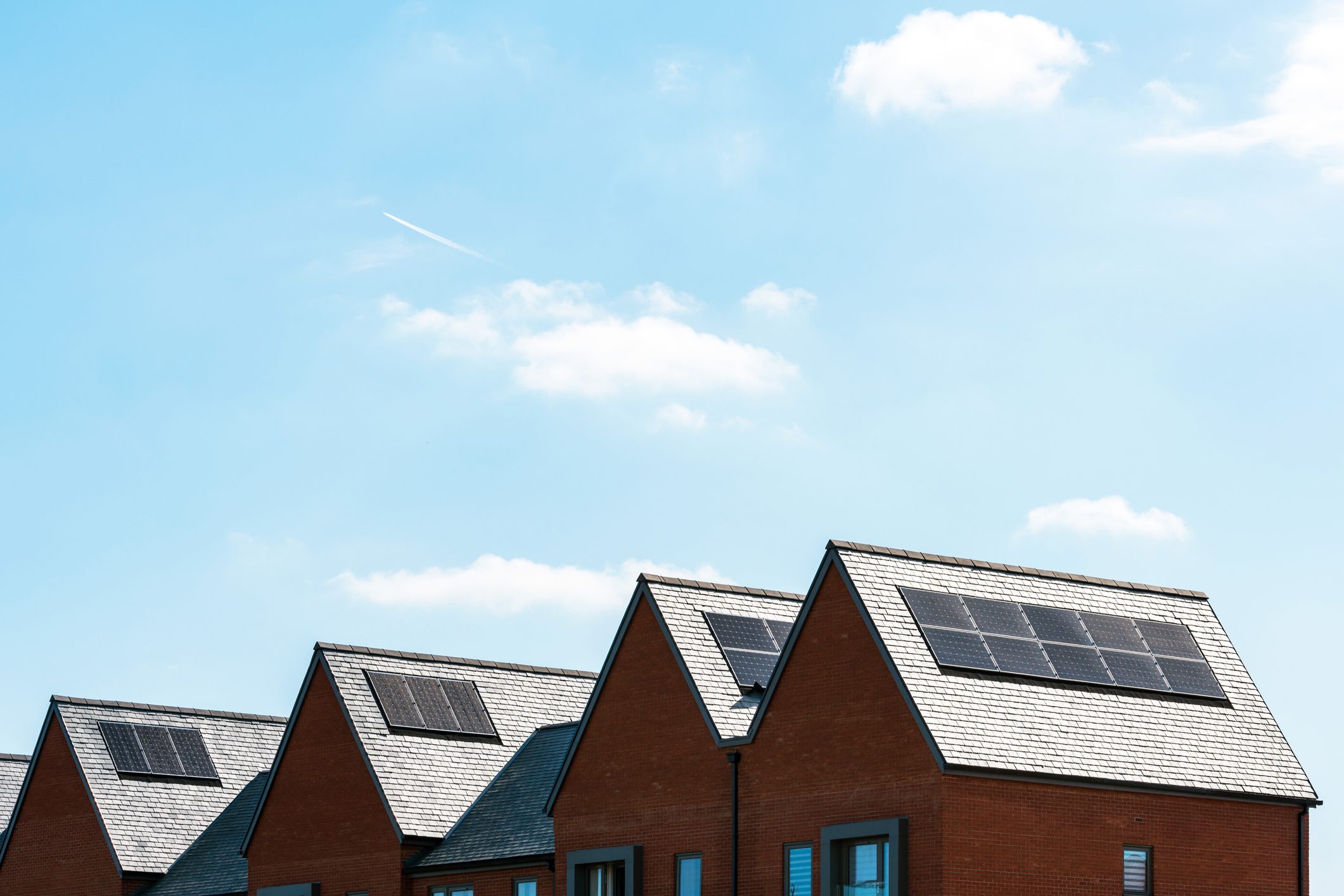
How Housing Developers Can Incorporate Solar Energy Into New Builds
Solar energy for new builds in the UK will soon be required for most residential homes, starting in 2027. But incorporating it now presents a practical way to build sustainable properties while meeting buyer expectations and regulatory pressures. Integrating solar during the design-and-build phase is more efficient than retrofitting later and opens up opportunities for better performance, aesthetics, and long-term value. Let’s take a look at how solar integration works in new builds and why it’s becoming a standard feature rather than a premium add-on.
Designing for Solar From Day One
Incorporating solar panels for housing developments at the planning stage allows developers to optimise system performance and installation costs. Roof orientation, pitch, and shading can all be considered before construction begins. Starting at the beginning removes many of the inefficiencies associated with retrofitting and ensures the system performs as intended from the outset. Consider these points:
- Positioning rooflines to maximise southern exposure to improve generation potential
- Allowing space for inverters, batteries, and cabling to avoid later limitations
- Integrating panels flush with roofing materials to create a cleaner finish
- Coordinating with electrical layouts to ensure seamless connection to consumer units
Improved Energy Efficiency and Lower Running Costs
New-build solar solutions contribute to a home’s overall energy performance, which is increasingly important in both compliance and marketing. For developers, this translates into stronger EPC ratings and a tangible selling point for buyers concerned about rising energy costs. Here’s what makes this so desirable to homeowners:
- On-site electricity generation reduces reliance on grid energy
- Pairing solar with battery storage enables energy use during peak periods
- Smart systems can prioritise usage for high-demand appliances
- Reduced energy bills make properties more attractive to buyers and tenants
Supporting Sustainability Targets and Certifications
New builds are under growing pressure to meet sustainable housing development and environmental standards. By embedding renewable energy into the build, developers have an easier time planning for expectations and demonstrating a commitment to sustainable development, and solar energy plays a key role by:
- Reducing carbon emissions associated with household electricity use
- Contributing towards SAP calculations and Part L compliance
- Helping developments qualify for certifications such as BREEAM or similar schemes
- Supporting local authority requirements for low-carbon construction
Meeting Buyer Demand for Eco-Friendly Homes
Homebuyers are becoming more informed and selective, with energy efficiency now a deciding factor rather than a bonus feature. For developers, this demand reflects a broader shift in consumer priorities, where sustainability is closely tied to affordability and lifestyle. When designing your plans, keep in mind:
- Buyers increasingly expect renewable energy systems in new homes
- Solar-ready or solar-equipped homes often sell faster
- Energy independence appeals to environmentally conscious purchasers
- Properties with lower running costs hold stronger value over time
Long-Term Value and Future-Proofing Developments
Including renewable energy in construction now prepares it to adapt to new innovations in the years ahead. Today’s properties will remain competitive and compliant as expectations evolve with benefits, such as:
- Adapting to tighter energy regulations and building standards
- Reducing the likelihood of costly upgrades post-construction
- Enhancing resale value as energy performance becomes more scrutinised
- Supporting integration with future technologies, such as EV charging
Partnering With the Right Electrical Specialists
Successful solar integration depends on coordination between developers, architects, and electrical contractors. Early collaboration helps avoid design conflicts and ensures systems are installed efficiently:
- Electrical specialists can advise on system sizing and layout
- Coordination prevents clashes with roofing, insulation, and ventilation systems
- Proper installation ensures safety, compliance, and long-term reliability
- Ongoing support can be built into the development offering
We Work With UK Developers
Solar-powered homes in the UK are becoming a baseline expectation in new residential developments. Smart Homes Electrical works with developers to incorporate sustainable energy systems, building homes that are efficient and compliant. Contact us about upcoming projects, and we can discuss how your development can align with market demand so buyers won’t have to contend with the complications of retrofitting down the road.