
In this blog, the car experts from the UK’s first car selling comparison site Jamjar run through what good energy consumption figures for electric vehicles look like and what sort of prices you can expect if you are looking to make the switch to electric.
Electric cars are becoming more and more popular in the UK as petrol and diesel prices soar and we edge closer to the ban on new fossil fuel-powered cars by 2030. You may be considering making the switch but are unsure whether it would be cost-efficient for you, or maybe you are confused about what the figures mean and how to choose the best option. The car experts at Jamjar have compiled this guide to help, with easy-to-understand information about what good energy consumption figures look like for electric vehicles.
Should I choose an electric car with good economy?
Good economy refers to whether a car uses up an efficient amount of power for the miles it can cover. This is usually measured in kWh per 100 miles for electric cars, although some companies use different measurements. The economy can be difficult to judge for electric cars because they are so new to the market and it can vary depending on many things, such as how often they are used and charged, how fast they are driven, their size and the conditions they are driven in (even driving in the rain can make electric cars less efficient!).
In general, an electric car with a good economy tends to give you the best value for your energy bills, but it’s not this straightforward. Cars with good economy tend to have smaller batteries that, although cheaper and quicker to charge, cannot cover as many miles in between charges. This might work for you if you only travel small distances but may be a huge setback if you decide to go on a long road trip.
However, there are some guidelines that can help you to judge whether an electric car has efficient use of electricity. The average electric car uses from 27 to 30 kWh per 100 miles. Anything below that is considered good, with 19 to 23 kWh per 100 miles being the best you can expect to find. A car that uses 31 or more kWh per 100 miles is very poor in terms of economy.
How much does it cost to charge an electric car?
There is no straightforward answer to this question as it depends on which electric vehicles tariff you use and the price of energy in your area. It’s worth shopping around for a tariff before switching to electric so that you can work out a rough price based on these figures. Look out for a deal that offers cheaper prices when charging at night, as this is often the most convenient way to charge an electric car.
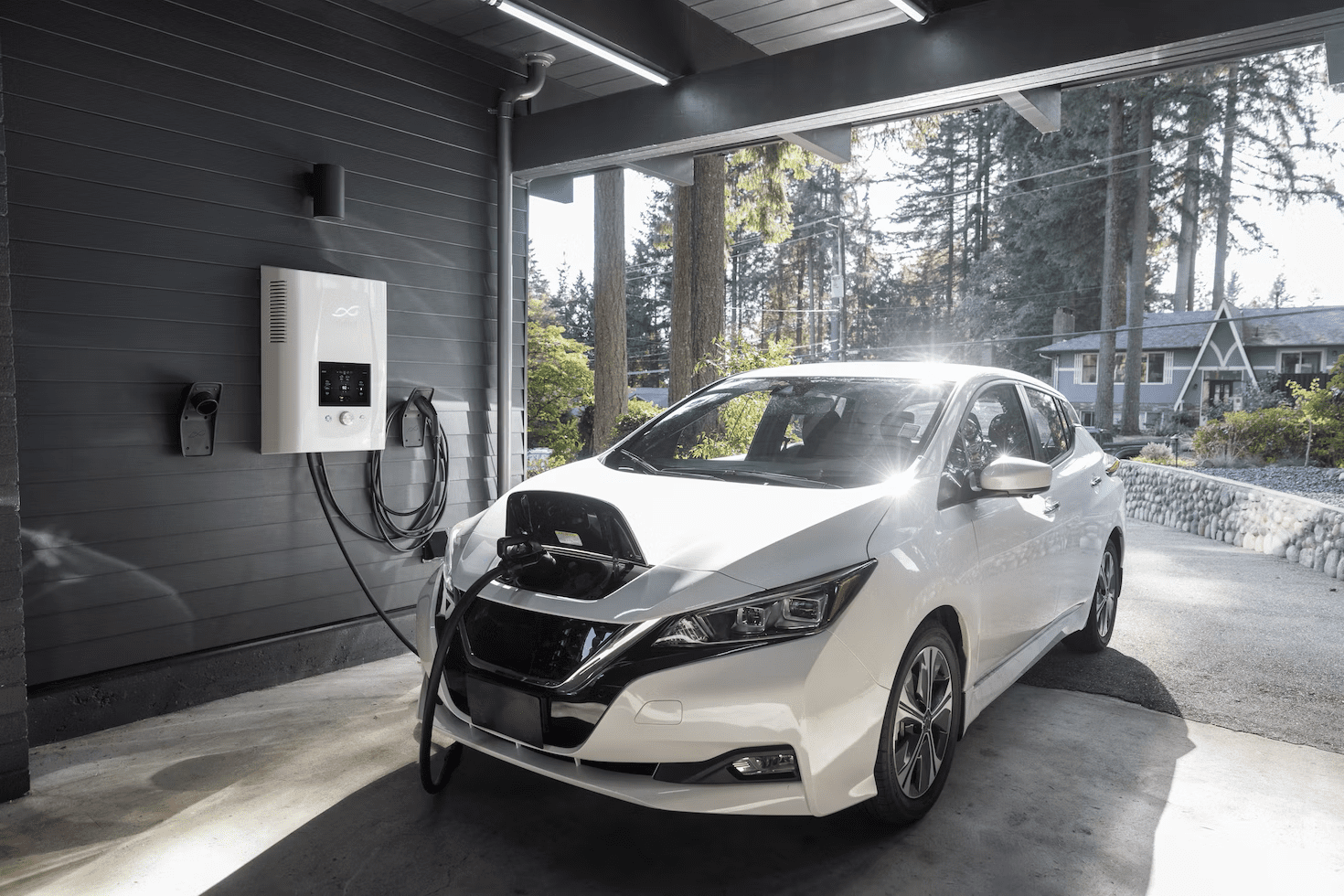
To use the Nissan Leaf with its 40 kWh battery as an example, based on an average electricity rate of 28p per kWh, the cost to fully charge it at home would be £11.20 which is a very reasonable energy consumption rate. But, its range is only 168 miles which may not be suitable for everyone, despite the low cost per mile of 6.67p. Compare this to the Tesla Model S which has a range of 388 miles but at a cost per mile of 7.22p. Click here to explore examples of other electric cars.