
Can You Install Solar Panels on a Flat Roof? A Complete Guide
Most people assume that solar power is only for pitched roofs, yet modern installation methods make flat roofs a practical and efficient choice for homes and commercial properties. Smart Homes Electrical installs solar panels on flat roofs across the East Midlands, UK helping property owners make the most of available roof space with carefully planned systems built for long-term performance. Flat roof installations present unique opportunities for panel positioning and energy generation, along with important considerations such as mounting systems, tilt angles, wind loading, and drainage. In this blog, we explain how flat roof solar panels are installed, the mounting systems commonly used, and the benefits that make flat roof solar installation an attractive option for many properties.
Are Flat Roofs Suitable for Solar Panels?
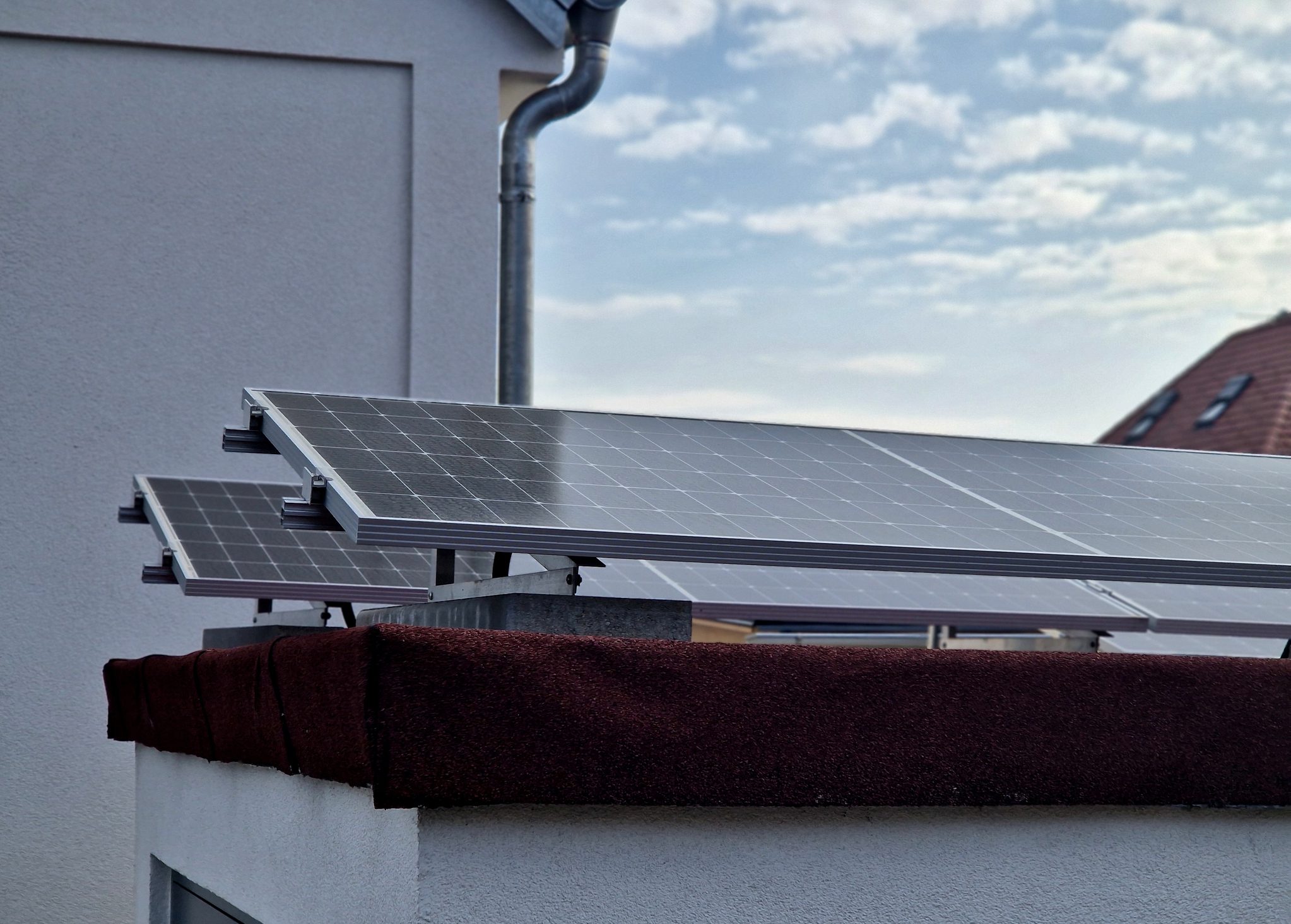
Flat roofs can be an excellent location for solar energy systems when the installation is properly planned. Many commercial buildings have used flat roof solar panels for years, and they’re becoming increasingly popular on residential properties as homeowners look for efficient ways to generate renewable electricity. A flat roof offers greater flexibility in the direction and positioning of the panels, allowing installers to optimise the layout for improved energy production.
Challenges of Installing Solar Panels on a Flat Roof
A successful solar panel installation on flat roof projects depends on careful planning, accurate design, and a clear understanding of the roof’s characteristics. Flat roofs provide an excellent platform for solar energy systems, though installation must address several important factors before work begins. Each challenge can be managed with the right equipment, structural checks, and stabilisation approach. This helps the system deliver reliable performance for many years. Below is an overview of the challenges of installing solar panels on a flat roof:
- Lack of Natural Tilt – Flat roofs do not provide the natural angle that solar panels need for optimal energy production, so specialised mounting systems are often required. These systems help position the panels at an optimal angle to maximise solar generation year-round.
- Wind Loading and Stability – Raised panels can experience greater wind exposure, making secure mounting and site-specific design essential. Careful engineering helps ensure the system remains stable during changing weather conditions.
- Roof Space Management – Panels must be positioned carefully to avoid self-shading, while maintaining clear access routines for inspections and maintenance. A well-planned layout allows the available roof area to be used efficiently without restricting future access.
- Structural Weight Considerations – Solar panels and mounting frames add extra load to the building, which may require a structural assessment before installation proceeds. This assessment confirms that the roof can safely support the system over time.
The Role of Mounting Systems in Flat Roof Solar Installations
The success of solar panels for flat roof applications depends heavily on the mounting system selected. Since flat roofs do not provide a natural angle for solar panels, mounting solar panels affects positioning, stability, and long-term performance. The right system helps maximise energy generation, protects the roof structure, and ensures the installation meets site-specific requirements. There are several mounting options available, each offering distinct advantages depending on the building design and environmental conditions:
- Ballasted Mounting Systems – Ballasted mounting systems use carefully calculated weights to secure solar panels in place rather than penetrating the roof surface. This approach helps reduce the risk of roof damage and can simplify the installation process.
- Penetrating Mounting Systems – These systems are fixed directly into the building structure to provide a secure and permanent attachment point. They’re commonly used where additional stability is required.
- Adjustable Mounting Systems – Adjustable mounting systems allow installers to set solar panels at an angle that suits the property’s location and solar exposure. This flexibility helps create a more efficient system design.
The Benefits of Solar Panels on a Flat Roof
Flat roof solar systems offer several advantages for homeowners and businesses looking to generate renewable energy. The design flexibility of a flat roof creates opportunities to optimise panel placement and system size based on the property’s available space and energy needs. Installation teams also benefit from improved access during fitting and maintenance, which supports efficient long-term system performance. These practical benefits have made flat roof systems a popular choice for residential and commercial buildings:
- Flexible Orientation Options – Solar panels can be positioned to face the most suitable direction for sunlight exposure rather than being limited by the roof’s existing angle. This gives installers greater control when designing a system for maximum energy generation.
- Easier Installation and Maintenance Access – Flat roofs typically provide safer and more convenient access for installation teams than steeply pitched roofs. This can help make the installation process more straightforward and efficient.
- Scalable for Larger Systems – Flat roofs often provide ample space for larger solar arrays on residential and commercial properties. This makes it easier to expand a system as energy demand increases.
- Minimal Visibility – Solar panels installed on a flat roof are often less noticeable from ground level. This can help preserve the property’s appearance from the street.
Invest in Flat Roof Solar Panels Today
Solar panels on a flat roof can provide an efficient and reliable way to generate clean electricity for residential and commercial properties. Modern mounting solutions address common considerations such as the lack of a natural roof pitch, wind exposure, and system stability, allowing panels to perform effectively over the long term. Careful tilt optimisation helps maximise energy production and enables property owners to achieve the best return on their investment. Every roof has unique requirements, which is why a professional assessment is essential before installation. Smart Homes Electrical can evaluate your property, recommend the most suitable solution, and design a flat roof solar system tailored to your energy goals across the East Midlands.